The Benfield Insurance Agency | Oct 08 2026 13:00
What insurance should a small contractor consider in North Carolina?
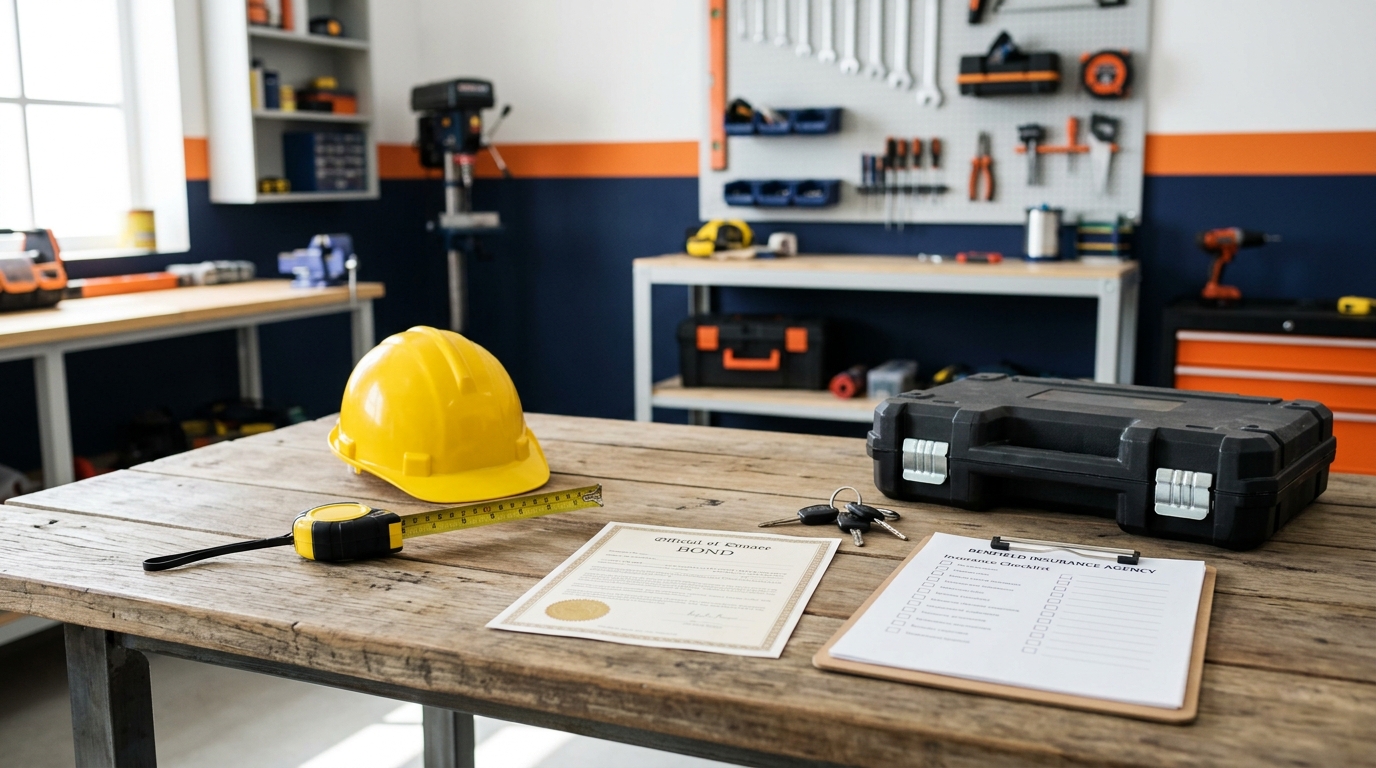
Whether you work alone or run a small crew, the right business insurance starts with an honest look at how your contracting business operates. The work you perform, the contracts you sign, the vehicles you drive, the equipment you carry, and whether you have employees can all affect the coverage options worth discussing. At Benfield Insurance Agency, we help contractors in Taylorsville and surrounding communities review those details one-on-one and build a conversation around their real-world needs.
Contractor insurance in North Carolina is not one standard package that fits every business. A self-employed painter, a roofing contractor with a work truck, and a small remodeling company with employees may face very different exposures. Our role is to help you understand common coverage categories, ask useful questions, and request options from trusted carriers.
Start With the Way Your Contracting Business Works
Before comparing business insurance options, it helps to map out your day-to-day operations. Think about the trade you perform, where jobs take place, who enters the jobsite, and what could happen if work is delayed, damaged, or alleged to have caused an injury.
For example, a one-person contractor may primarily need to consider jobsite liability, a personal work vehicle, and portable tools. A growing business may also need to review employee-related considerations, multiple vehicles, rented space, stored materials, and project-specific contract requirements.
At Benfield Insurance Agency, we regularly speak with contractors throughout Alexander County, Hickory, Statesville, Lenoir, and Wilkesboro. Those conversations begin with your operation—not assumptions about what every contractor needs.
General Liability for Jobsite and Third-Party Claims
General liability insurance for a small business in North Carolina is often one of the first coverages contractors ask about. In broad terms, it may help address certain third-party claims involving bodily injury or property damage that arise from covered business operations. For instance, a customer or visitor could allege an injury at a jobsite, or a contractor could be accused of damaging a client’s property while performing work.
Some clients, property managers, lenders, or project contracts may ask contractors to show proof of general liability coverage. However, whether it is needed, requested, or sufficient for a particular situation can depend on the project and the agreement involved. We do not offer legal advice, but we can help you review insurance-related requirements in a contract with your agent and discuss available policy options.
When reviewing contractor liability insurance, it is useful to consider your trade, the size and type of projects you accept, subcontractor relationships, and any certificate-of-insurance requests you receive.
Commercial Auto for Work Trucks and Business Driving
If you use a truck, van, trailer, or other vehicle in your business, commercial auto insurance is another important conversation. The distinction between personal and business vehicle use is not always simple. Carrying tools, transporting materials, hauling equipment, driving to multiple jobsites, or having employees drive may all be details to discuss with an agent.
A commercial vehicle policy may offer coverage options designed for business-owned or business-used vehicles, subject to its terms, limits, and exclusions. The appropriate approach can vary based on vehicle ownership, the vehicle’s use, the number of drivers, the radius of travel, and whether your operation includes one truck or a small fleet.
Rather than assuming a personal auto policy handles every work-related trip, bring the full picture to the conversation. Benfield Insurance Agency can help contractors in Taylorsville, NC, explore commercial auto options based on how their vehicles are actually used.
Tools, Equipment, and Inland Marine Coverage
For many contractors, tools and equipment are essential to earning a living. They move from a shop to a truck, from a truck to a jobsite, and sometimes between several locations in a single week. Because this property is mobile, a standard business property policy may not always address it in the same way as property kept at a fixed location.
Tools and equipment coverage—often discussed as inland marine coverage—may be worth reviewing when you own portable tools, specialized equipment, rented equipment, or materials that travel to jobsites. Coverage availability and terms differ, so it is important to identify the types of items you use, their approximate values, where they are stored, and whether they are owned, leased, or rented.
A practical inventory can make this discussion easier. Photos, receipts, serial numbers, and replacement estimates can all be useful records to maintain.
Workers Compensation When You Have Employees
As a contracting business grows, employees and payroll create additional insurance considerations. Workers compensation coverage may be applicable depending on your business structure, employee count, job duties, and other circumstances. Requirements and exemptions can be nuanced, so contractors should seek guidance from appropriate legal, regulatory, or payroll professionals when they need help determining their obligations.
From an insurance standpoint, we can discuss workers compensation options, the information insurers may request, and how job classifications and payroll details may affect a quote. Even if you are currently a one-person business, it can be helpful to revisit this topic when you hire, add regular helpers, or begin taking on larger projects.
Bonds Requested for Specific Projects
Insurance and bonds serve different purposes, though they are often discussed together in the construction world. A bond may be required by a municipality, a licensing authority, a general contractor, or a project owner. The type and amount can depend on the project, trade, and contract terms.
If a bid package or contract calls for a bond, bring it to us early. Benfield Insurance Agency can help you start a conversation about available bond options and the information that may be needed for an application. Giving yourself time is especially helpful when a project deadline is approaching.
Business Property Beyond Your Tools
Business property coverage may be relevant if your contracting operation owns or leases an office, workshop, warehouse space, storage building, or business personal property kept in one location. This can include items such as office furniture, computers, inventory, supplies, and equipment that stays at the premises.
It is worth separating stationary property from mobile property during your review. A shop’s contents, materials stored at a fixed location, and tools carried from job to job may need to be evaluated differently. We can help you organize those details so that the discussion about commercial insurance is clearer and more productive.
Contractor Coverage Checklist
Use this checklist before speaking with an independent insurance agent in Taylorsville, NC:
- Define your trade: List the services you perform and the types of projects you take on.
- Review your contracts: Note any insurance certificate, additional-insured, or bond requests from customers and project owners.
- List vehicles and drivers: Include work trucks, vans, trailers, and anyone who drives for the business.
- Document tools and equipment: Identify high-value portable items, rented equipment, and materials that travel to jobsites.
- Consider your team: Share whether you have employees, regular helpers, or subcontractor relationships.
- Identify business locations: Include offices, shops, storage areas, and any property you own or lease.
- Update us as you grow: New services, vehicles, employees, or larger projects can change the conversation.
Why a Local Conversation Matters
Online searches for “insurance for contractors in Taylorsville, NC” can be a useful starting point, but a quote form alone may not capture how your business operates. As a family-run independent agency, Benfield Insurance Agency offers personal guidance and access to multiple carrier options. We take time to understand your operations and help you compare choices without promising one-size-fits-all results.
Whether you are a one-person contractor in Taylorsville, operate throughout Alexander County, or serve customers in Hickory, Statesville, Lenoir, or Wilkesboro, our team is here to help make the insurance conversation more manageable.
FAQ
What insurance should a one-person contractor discuss with an agent?
A one-person contractor may want to discuss general liability, commercial auto, tools and equipment coverage, business property, and bonds when a project requires them. The best options depend on the contractor’s trade, vehicles, contracts, equipment, and operations.
Is general liability insurance required for contractors in North Carolina?
Requirements can vary by trade, licensing rules, project owner, contract, and other circumstances. Some clients or projects may request proof of coverage. For guidance on legal or regulatory obligations, speak with the appropriate professional; we can help review insurance options relevant to your situation.
Do I need commercial auto insurance for my work truck?
That depends on factors such as ownership, vehicle use, drivers, equipment carried, and how the truck supports your business. Discussing those details with an agent can help clarify commercial auto options and how they may differ from personal auto coverage.
Are my tools covered while they are at a jobsite?
Coverage for tools and equipment depends on the policy and the circumstances of a loss. Because contractors often move valuable items among vehicles, jobsites, and storage locations, it is wise to ask about tools and equipment or inland marine coverage options.
How can I request a contractor insurance quote?
Call Benfield Insurance Agency at (828) 632-6505 or request a quote online. Share your trade, business location, years in operation, vehicles, employees, equipment, and any contract requirements so we can begin a tailored discussion.
Conclusion
Small contracting businesses do important work, and their insurance conversations deserve more than a generic checklist. By reviewing your trade, contracts, workers, vehicles, tools, and property, you can better identify the coverage categories that may deserve attention. Contact Benfield Insurance Agency at (828) 632-6505 or request a quote to discuss contractor insurance options for your North Carolina business.