The Benfield Insurance Agency | Jul 21 2026 15:00
Does Auto Insurance Follow the Car or the Driver?
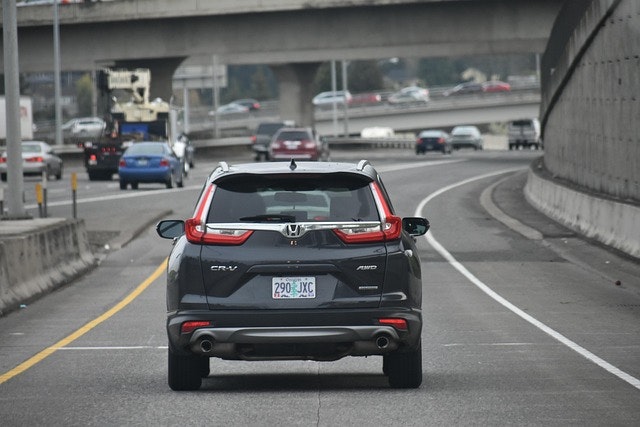
Auto insurance can feel straightforward until you hand your keys to someone else or borrow a friend’s vehicle. Suddenly, the question becomes very real: whose policy pays if something goes wrong? For drivers in Taylorsville and throughout North Carolina, understanding how coverage works is essential. The short answer is that auto insurance typically follows the car, but several important exceptions can change how protection applies.
This breakdown from Benfield Insurance Agency explains how coverage usually works, when the rules shift, and what to consider before lending or borrowing a vehicle.
Insurance Usually Follows the Vehicle
In most situations, a policy is connected directly to the insured vehicle rather than the person driving it. That means when an accident happens, the vehicle owner’s insurance is generally responsible for handling the claim. Liability coverage—which pays for damage or injuries caused to others—typically applies first because it’s tied to the car itself.
If you let a friend use your car and they cause a collision, your policy would usually provide the primary layer of protection up to your liability limits. If the damages exceed what your policy can pay and the driver has their own insurance, their policy may act as a secondary layer to help cover the remaining expenses. This structure highlights why having adequate liability limits is so important in North Carolina.
Situations Where the Rule May Not Apply
While auto insurance commonly follows the vehicle, several common exceptions can prevent or limit coverage. These nuances are often where drivers run into surprises.
Permission Matters More Than You May Think
Most policies allow for permissive use, meaning your insurance still applies if you give someone consent to drive your vehicle. However, if a person uses your car without your approval, your policy may not apply at all. Because permission is a key factor in determining coverage, it’s important to be clear about who has access to your vehicle.
Excluded Drivers Are Never Covered
Some auto policies list excluded drivers—individuals who are intentionally removed from coverage. Exclusions are typically added when someone in the household has a risky driving record that would increase premiums. If an excluded person drives your vehicle and causes an accident, your insurance company can deny the entire claim, leaving you responsible for the financial fallout.
Household Drivers Must Be Listed
If someone living in your home regularly drives your vehicle, they usually need to be listed on your policy. Insurance carriers base their rates on every household member with access to the vehicles. If a frequent driver is not listed and they cause a crash, the company may reduce or deny coverage. Keeping your policy updated is one of the simplest ways to avoid claim issues.
Business Use Can Change Your Coverage
Many North Carolina drivers use their personal vehicles for occasional work tasks. However, activities like delivering goods, transporting clients, or using your vehicle as part of your business operations often fall outside the scope of a personal auto policy. In these situations, commercial auto insurance or a business-use endorsement is typically needed to make sure the vehicle is properly protected.
Ride-Sharing and Delivery Apps Create Unique Grey Areas
Drivers working for ride-share or delivery platforms are often surprised to discover that their personal auto policy excludes these activities. Although some companies offer partial coverage, it often applies only during certain phases of a trip. Without added ride-share or delivery endorsements, significant coverage gaps can exist.
Examples That Show How Coverage Works
Real-life scenarios help make these rules easier to understand. If you lend your car to a friend and they hit another vehicle, your policy would usually handle the claim first because it follows the vehicle. Your friend’s insurance, if they have it, may step in only if the costs exceed your limits.
Now imagine you’re borrowing someone else’s car while yours is in the shop. If you cause an accident, their insurance would typically be the primary coverage since their vehicle was involved. Your own policy may act as a backup, but only after the vehicle owner’s limits are exhausted.
Why Policy Details Matter
Every North Carolina auto policy contains its own specific language, exclusions, endorsements, and coverage rules. Two policies may look identical on the surface yet provide very different results in a claim. Understanding your limits, listed drivers, and any special restrictions is key to avoiding unwanted surprises.
This is especially important for families, business owners, and anyone who regularly shares a vehicle with friends or household members.
Before You Lend Your Vehicle—Stop and Consider
Letting someone borrow your car may feel like no big deal, but there’s financial responsibility behind it. It’s wise to make sure the driver is licensed, responsible, and familiar with your vehicle. It’s also helpful to review your liability limits to confirm they offer enough protection if the unexpected happens.
If your policy includes any driver restrictions or exclusions, keep those in mind before handing over the keys.
Staying Protected Starts With Being Informed
While auto insurance generally follows the vehicle, exceptions involving permission, excluded drivers, or business-related activities can dramatically shift how coverage applies. A clear understanding of your policy helps you make safer choices when lending or borrowing a car.
If you’re unsure how your coverage works or want help reviewing your policy, our team at Benfield Insurance Agency is here to guide you. As a trusted independent insurance agent Taylorsville NC, we help drivers throughout Alexander County understand their options and stay protected. To get personal guidance or request an auto insurance quote Taylorsville, call us at (828) 632-6505 or stop by our office at 164 NC-16, Taylorsville, NC.